Retreat visits are by nature temporary. However, the spatial intelligence developed in high-end woodland sanctuaries does not require hectares of alpine acreage to be relevant. The same psychological mechanics can be applied to small urban courtyards, suburban back gardens, or rooftop verandas.
Creating quiet outside does not mean planting more flowers or buying complex outdoor furniture sets. On the contrary, sensory calm stems from reduction: limiting color palettes, honoring empty space, and ensuring materials age gracefully with the seasons.
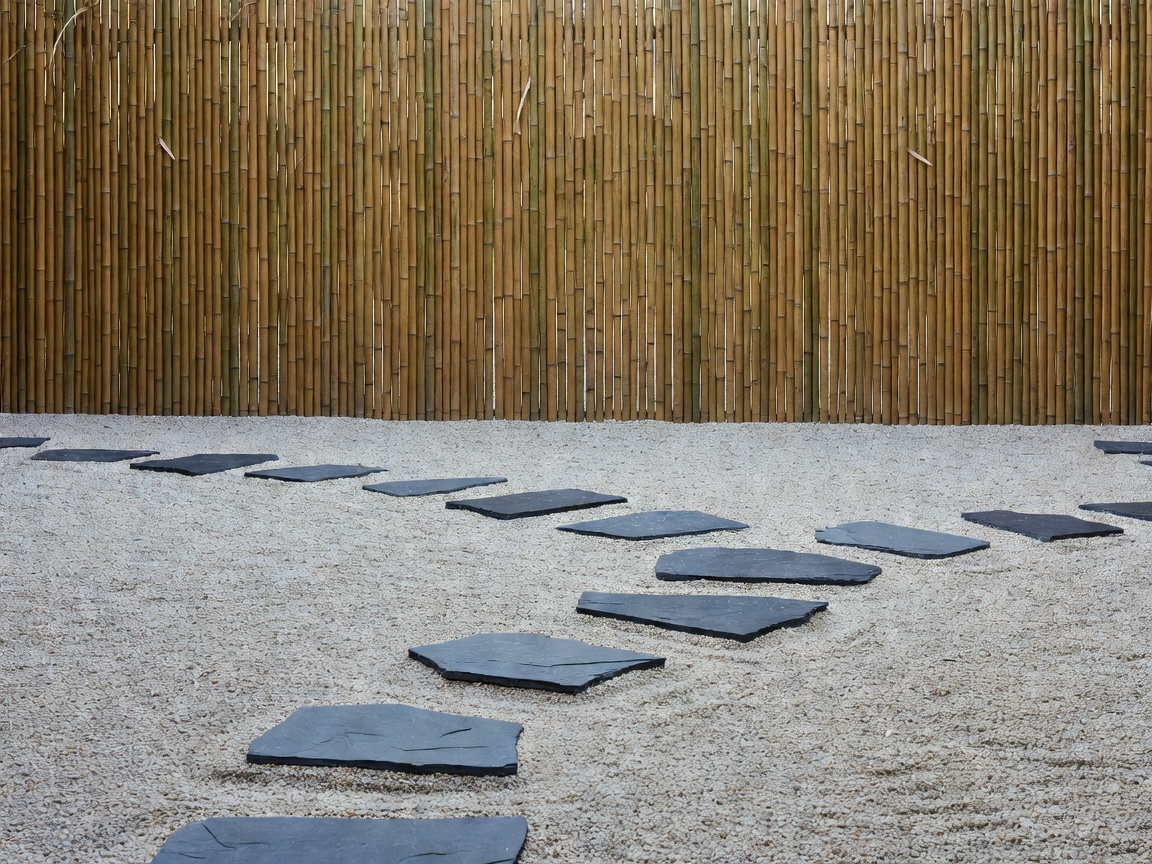 Ground Plane
Permeable Gravel Margins
Replacing hard concrete pavers with washed pea gravel or decomposed granite changes how you walk. The gentle crunch of stones provides auditory feedback that slows your gait, while naturally absorbing rainwater directly back into the water table.
 Acoustics
Basalt Water Basins (Tsukubai)
Avoid energetic fountain jets that compete with conversation. A simple hand-carved stone basin with a slow bamboo water trickle produces a low, gentle hollow sound that cancels background neighborhood hums without demanding attention.
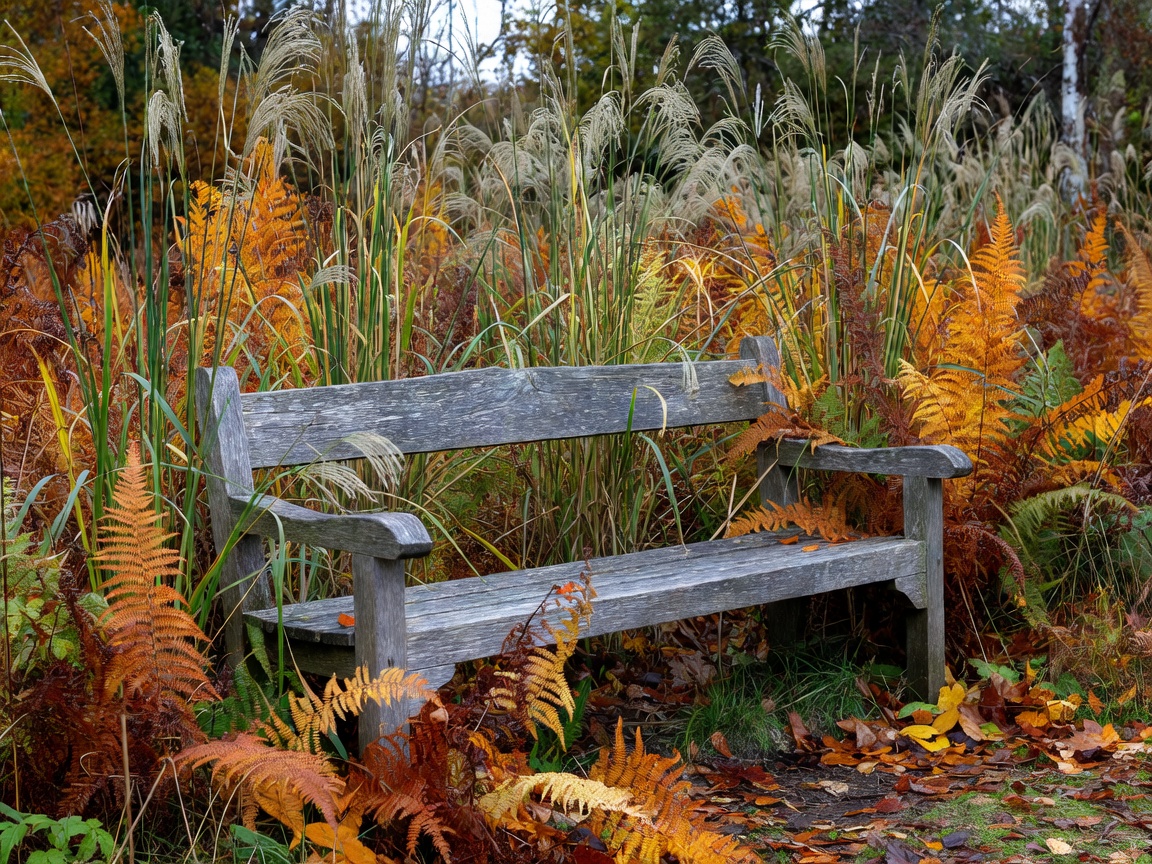 Planting Motion
Kinetic Ornamental Grasses
Plants like Calamagrostis (feather reed grass) and Deschampsia cespitosa make unseen air currents visible. Watching seed heads sway in light evening breezes provides a dynamic, non-demanding visual focus that relaxes ocular muscles.
Four Tactical Upgrades for Stillness
1. The 80/20 Green-to-Bloom Ratio
Gardens packed with high-contrast, seasonal flowers demand cognitive processing. In landscape architecture for wellness, roughly eighty percent of the planting bed consists of varying foliage textures—ferns, hostas, sedges, and evergreen boxwoods—in shades of emerald, moss, and sage. Flowers are used sparingly as gentle accents rather than overwhelming visual noise.
2. Eliminating Overhead Glare
Nothing ruins an evening garden like high-lumen, blue-toned LED floodlights. Replace overhead spotlights with low-voltage warm amber lanterns (2200K – 2700K) positioned at ankle level along footpaths. Directing light exclusively downward preserves the visibility of stars and nighttime silhouettes.
3. Shelter from the Wind
A garden can be visually beautiful, but if it is exposed to prevailing drafts, you will not linger there with a book. Use porous living windbreaks—such as hornbeam pleached hedges or vertical cedar battens—which slow wind down rather than creating turbulent downdrafts like solid masonry walls do.
4. The Unadorned Sitting Stone
Outdoor furniture requires cushions, storage boxes, and constant maintenance. Integrating a single large, flat-topped granite boulder or massive charred oak timber bench creates a permanent outdoor resting spot that is immune to weather and immediately usable after rain with a simple linen towel.